Still building your business alone? Weekly expert support, accountability, and a network that gets it. $300/month → Join PDN
100% of Product Communication Centralized Into 1 ClickUp Workspace
How we restructured a ClickUp workspace to bring communication and systems together for a product development and manufacturing firm.
Proprium
The Situation
A product development and manufacturing firm came to us with a ClickUp workspace they were already using, but not getting much out of. The team was managing multiple brands, multiple product lines, and a full development cycle from idea to finished product, with communication and coordination spread across email, chat, and the workspace itself.
The tool was there. The structure around it was not. Information ended up in different places depending on who was working on it. Following a single product through development meant checking several places to get the full picture.
The brief was direct. Reshape ClickUp into a workspace that supports how the company actually operates, with communication and systems running through one place instead of many.
Our Approach
We reviewed the existing ClickUp setup, identified where the workspace was working against the team instead of for them, and reshaped it around how the company actually runs day to day.
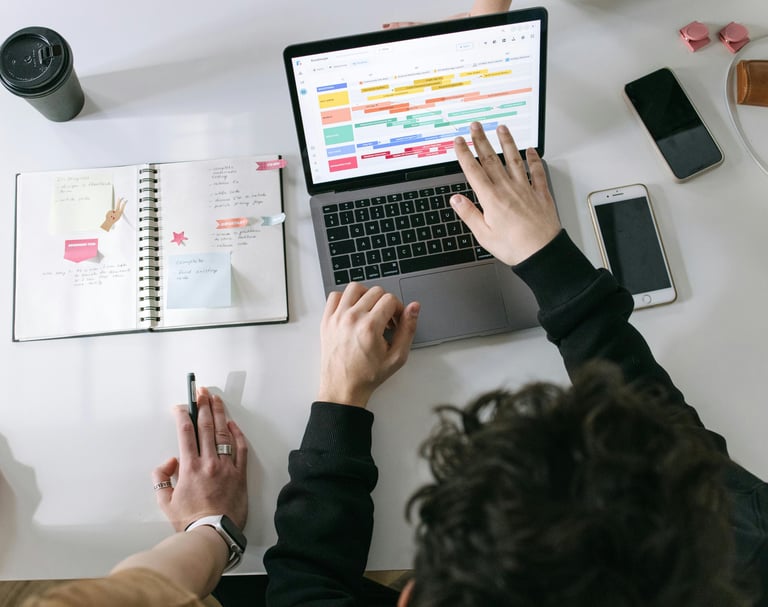
The structure was rebuilt around the company's real work, with spaces and folders reflecting how the team thinks about their brands, their product lines, and their stages of development. What used to be a flat list of tasks became a workspace where finding any piece of work took seconds, not minutes.
Communication was pulled into ClickUp where the work happens, so conversations about a product stay with the product instead of getting lost in email threads or chat scrollback. Decisions, approvals, and updates now live alongside the tasks they relate to.
Templates and recurring structures were set up for the work that happens over and over, so launching a new product, onboarding a new brand, or starting a new development cycle no longer means rebuilding the setup each time.
Coaching was part of the engagement, so the team understood not just what changed but why, and could keep the workspace working for them as the business evolved.
Before
ClickUp was in use, but the workspace structure didn't match how the company actually operated
Communication was scattered across email, chat, and the workspace, with no clear home for any of it
Following a single product through development meant checking several places
Recurring work meant rebuilding the same structure each time
The CEO had no clean view of the whole operation in one place
The tool the company paid for wasn't pulling its weight
After
A ClickUp workspace restructured around how the company actually operates, brand by brand, product by product
Communication centralized inside ClickUp, with conversations tied to the work they relate to
Templates and reusable structures for the work that happens repeatedly, so nothing gets rebuilt from scratch
Clear paths through development cycles, with stages and handoffs visible across the workspace
A workspace the CEO can actually use to see what's happening across the company without chasing updates
Coaching delivered alongside the rebuild, so the team can keep the workspace evolving with the business
The Outcome
The firm now runs on a ClickUp workspace shaped around its actual operation, not the other way around. Brands, product lines, and development cycles all have a clear home. Communication happens where the work lives, so context stays with context. The CEO can see the whole picture without piecing it together from multiple tools.
What used to be a workspace the team worked around is now a workspace they run the business from. The structure is built to keep working as the company adds brands, products, and people, so the savings in coordination and clarity compound over time.
Services Used in This Project

We are dedicated to your success. Schedule a free consultation with us today and discover how we can support you on your journey towards your goal.


Let's Meet!
Address
Josipa Jurja Strossmayera 341
31000 Osijek, Croatia
VAT ID
HR09477327401
hello@proprium.agency
© 2026 | Proprium d.o.o.